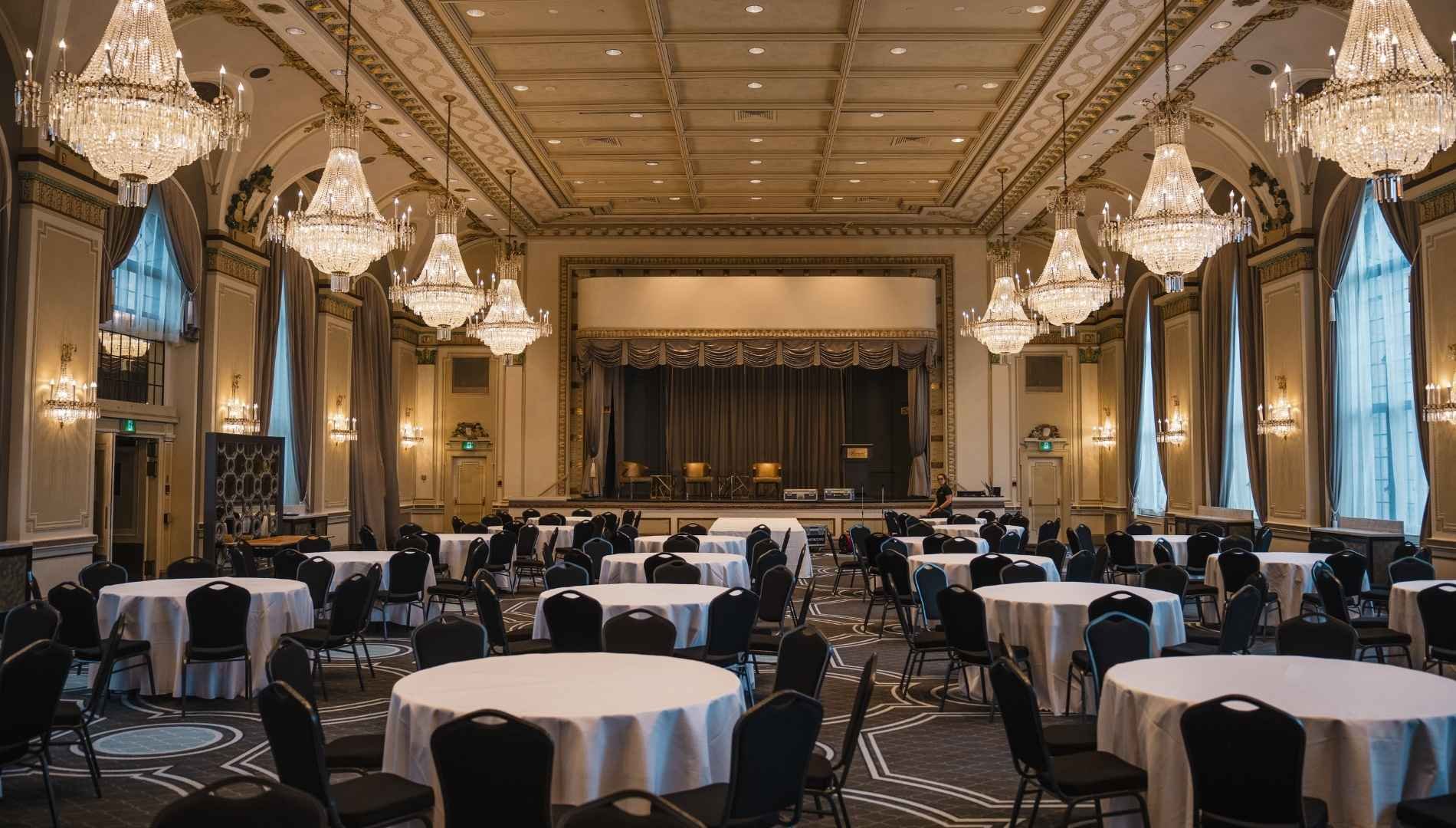
Before they check the bed or the view, they’re breathing the air. According to the U.S. Environmental Protection Agency, indoor air can be two to five times more polluted than outdoor air. With sealed rooms, aging HVAC equipment, and rapid guest turnover, contaminants can accumulate more quickly in hotels than other spaces. Poor indoor air quality can affect guest comfort and snowball into bad online reviews and cancelled reservations. Those impacts have a cost, and they all start with the HVAC system.
Packaged terminal air conditioners are the most common HVAC format in hotels and the primary driver of the musty odor complaints that fill review sites and housekeeping logs. Warm, humid air cycles across the evaporator coil and condensate pan, creating the conditions that mold and biofilm need to establish themselves inside the unit. When the unit runs, it distributes the resulting odor directly into the room, and because the source is inside the PTAC itself, standard room cleaning can’t reach it.
Hotels use high-concentration cleaning products at high frequency, and those products release volatile organic compounds that accumulate in room air between cleaning and guest occupancy. Off-gassing from new carpets, furniture, and wall coverings adds a secondary VOC load that can be especially high in recently renovated properties. Both sources contribute to the “chemical smell” guests sometimes report alongside or instead of mustiness.
Modern hotel rooms are well-sealed because they’re designed for energy efficiency. In properties with PTAC systems that cycle off when rooms are unoccupied, fresh air exchange during empty periods is often minimal. When guests occupy a sealed room overnight, humidity accumulates, which can affect sleep quality and morning comfort, even when guests can’t specifically identify the cause.
Hotels in urban locations or near high-traffic areas must deal with outdoor pollutants entering the building through ventilation intakes. These pollutants are distributed through the air handling system to guest floors, lobbies, and food service areas. Vehicle exhaust, diesel fumes, smoke, and particulate matter from nearby roadways can reach guest rooms without any filter or treatment upstream unless active air cleaning is in place at the air handler.
Unlike cooking smells or cleaning product odors that dissipate relatively quickly, smoke and vaping residue absorb into soft furnishings, wall surfaces, and HVAC coils, where it re-releases into room air well after a guest has checked out. Standard cleaning protocols treat the surfaces guests and housekeeping can see, but they can't reach the residue embedded in a PTAC coil. The odor returns, along with negative reviews.
For hotels with central air handlers serving guest floors, meeting rooms, conference areas, or common areas, the smartIAQ platform enables the ASHRAE 62.1 Indoor Air Quality Procedure, a performance-based compliance pathway that allows buildings to reduce outdoor air requirements when verified active air cleaning is in place. The equipment and energy savings can be substantial.
A large conference hotel in the southeastern United States faced an outdoor air requirement of over 43,000 CFM for its common areas under VRP, which exceeded available roof and mechanical room space. The VRP outdoor air volume also required multiple energy recovery ventilators.
By shifting to the Indoor Air Quality Procedure with centralized smartIAQ systems on ten air handling units, outdoor air requirements dropped to approximately 19,000 CFM, nearly a 50% reduction. Now, DOAS units fit the available roof space and most of the energy recovery ventilators the VRP design would have required have been eliminated. The result was $710,000 in estimated mechanical equipment savings and $25,000 in estimated annual energy savings.
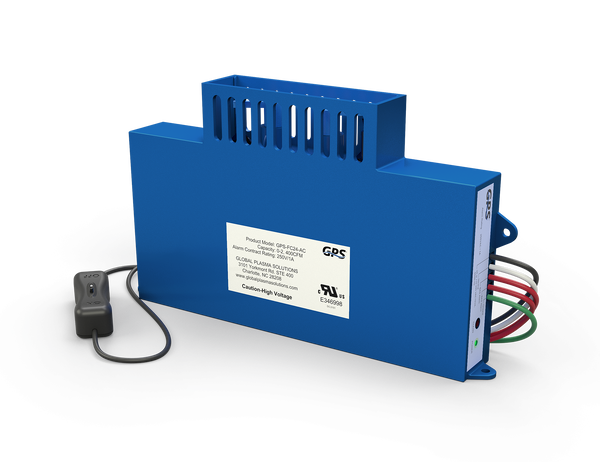
NPBI® technology has proven effective at lowering mold spores in a hotel room by over 56%. A global resort operator in the southeastern United States was dealing with airborne mold spore levels inside guest rooms that exceeded outdoor levels. GPS Air FC-24-AC units were installed on the heat pump blower housing in one room, with an identical room left unchanged as a control. After 30 days with guests in both rooms, the treated room showed a 37% reduction in airborne mold spores and improved relative to outdoor levels. At 90 days, mold spore counts continued to decline in the treated room even as outdoor mold counts spiked.
CI-2 provides auto-cleaning Needlepoint Bipolar Ionization for hotel PTAC units, fan coils, heat pumps, and mini-splits. It delivers continuous soft ionization inside the unit to help reduce biological buildup on evaporator coils and odor-causing molecules in the air.
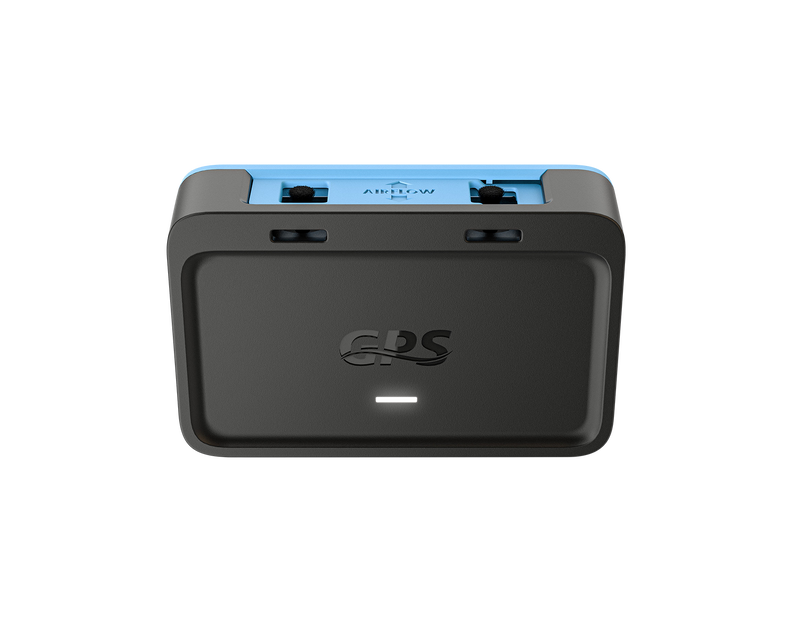
GPS-FC24-AC provides auto-cleaning Needlepoint Bipolar Ionization for hotel PTAC and fan-coil applications. Continuous in-unit air cleaning helps address coil buildup and recurring odors, including smoke, exhaust, and cooking smells.
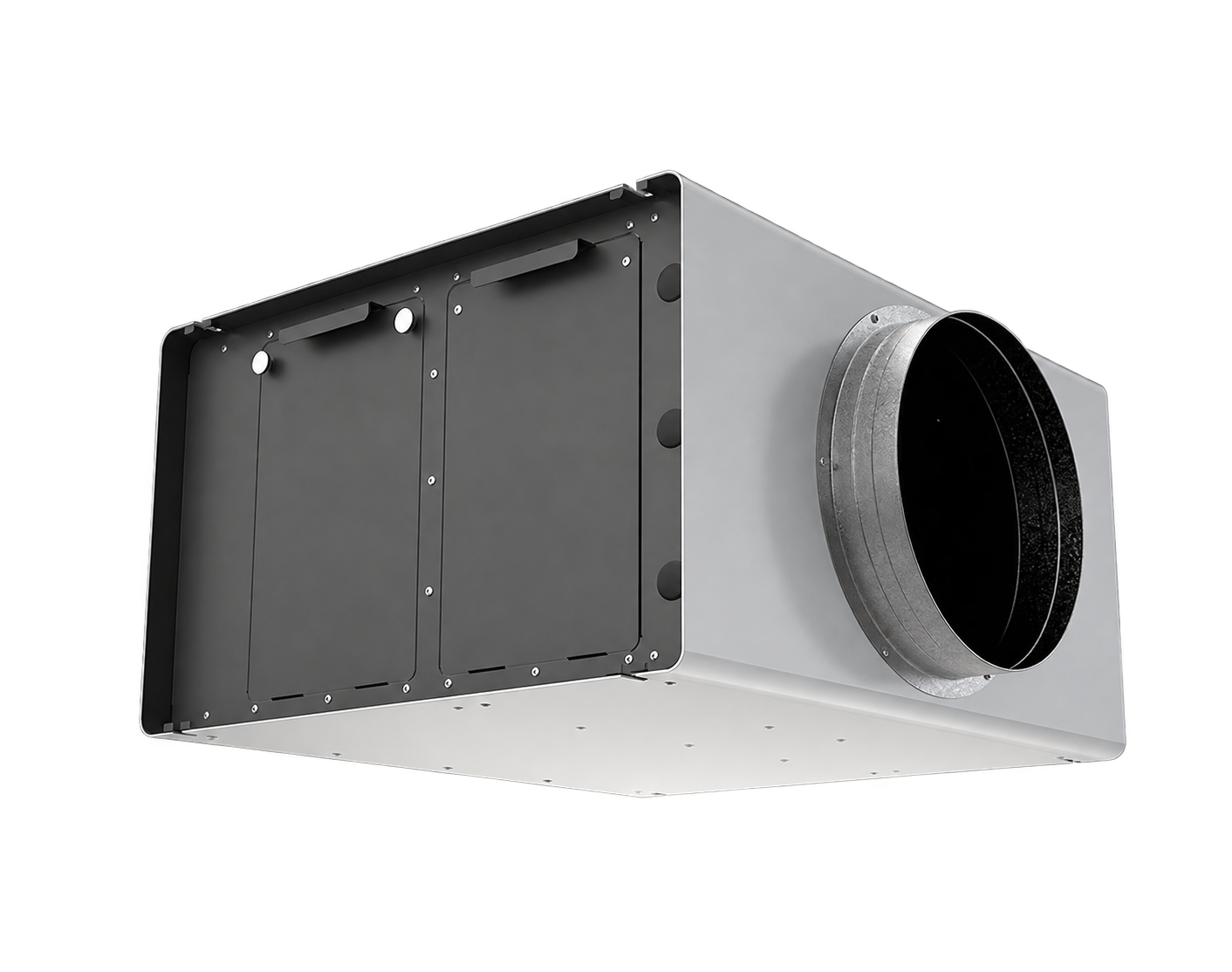
smartIAQ cleans the air in central air handlers with particle and carbon filtration and verifies the results with built-in sensors. That measured performance supports reduced outdoor air under the ASHRAE 62.1 IAQ Procedure.
GPS-iMod provides modular air cleaning for large hotel air handling systems. It helps reduce biological buildup on coils and incoming odors from outdoor air, supporting airflow and coil performance. The system assembles in 6-inch increments to fit different coil widths.
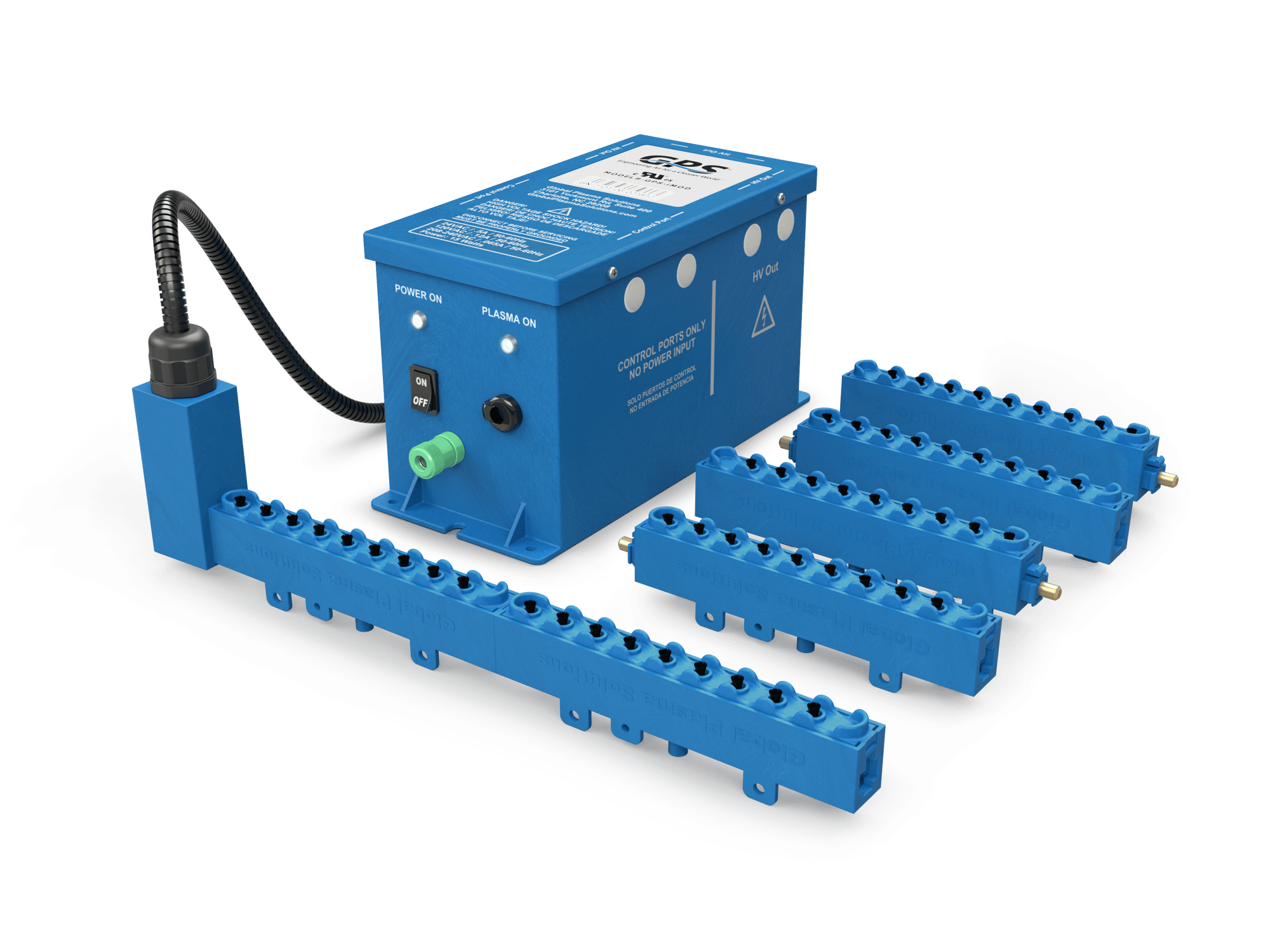
The right solution depends on the building’s mechanical configuration. For hotels with central air handling units or in-duct systems, GPS Air recommends the smartIAQ® platform. For PTAC units, fan-coil units, or mini-splits, recommended solutions include CI-2® or GPS-FC24™-AC. For large AHU fan coils, GPS Air recommends GPS-iMod®.
The most common cause is mold and biofilm on PTAC evaporator coils and condensate pans. Warm, humid air cycling over the coil creates the condensation that mold needs to establish itself. When the unit runs, it distributes the resulting odor into the room. Standard room cleaning can’t reach inside the PTAC unit, so the smell returns until the coil itself is addressed.
ASHRAE 62.1 is the industry ventilation standard for hotels in the United States, covering outdoor air requirements for guest rooms, lobbies, meeting spaces, and food service areas under both the Ventilation Rate Procedure and the Indoor Air Quality Procedure. ASHRAE Standard 241, Control of Infectious Aerosols, applies to hotels with event or convention spaces that require an infection risk management plan. Each state and/or municipality has its own mechanical code, which is the governing standard in that jurisdiction.
The ASHRAE 62.1 Indoor Air Quality Procedure is a performance-based compliance pathway that allows engineers to reduce outdoor air requirements when validated active air cleaning is in place. Conditioning less outdoor air reduces the HVAC load that drives energy consumption, and can allow HVAC equipment to be specified at a smaller scale. GPS Air’s smartIAQ platform is the enabling product for IAQP compliance in hotels with central air handling systems.
Active air cleaning technology can help hotels earn WELL or LEED certification. GPS Air supports WELL Building Standard certification and supports LEED IAQP credit pathways. It does not provide the certifications. For properties where certification is part of a brand or ESG strategy, GPS Air’s Application Engineering Team can provide project-level guidance on how smartIAQ fits within a broader certification approach.