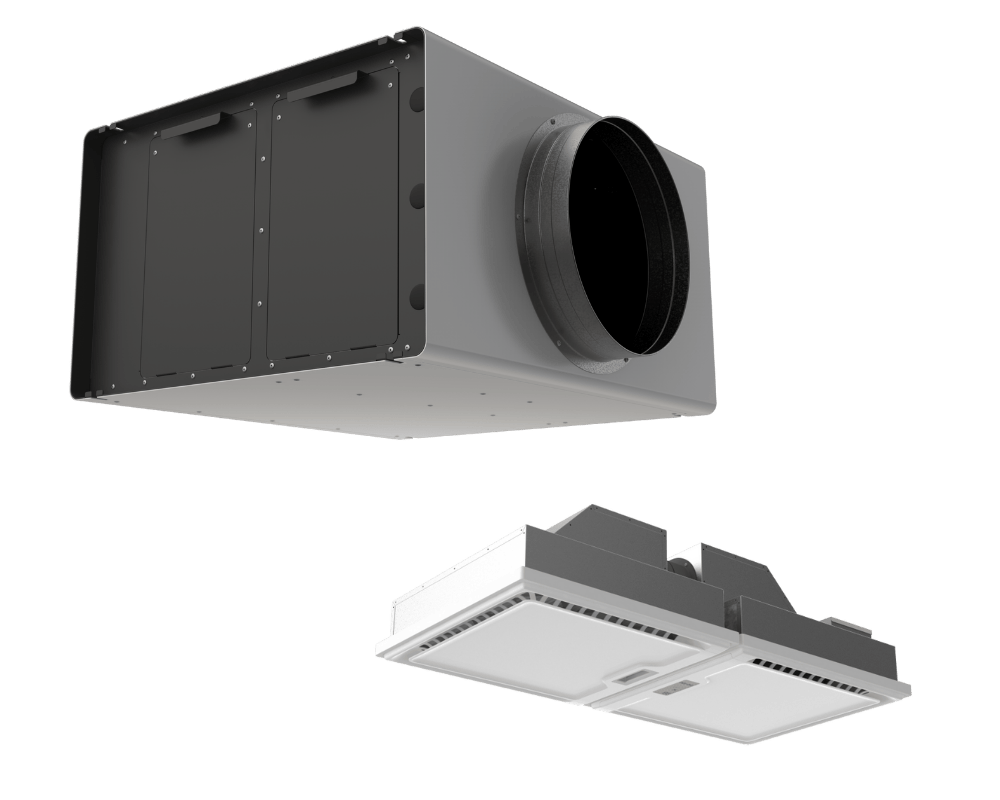
Lowering outdoor air isn’t about cutting corners. It’s about designing smarter. smartIAQ® helps buildings reduce capital and energy costs by enabling ventilation efficiency through the Indoor Air Quality Procedure defined in ASHRAE Standard 62.1. By cleaning air inside the space, projects can reduce outdoor air requirements, lower conditioning loads, and often downsize HVAC equipment without compromising indoor air quality.
Most systems run the same way all day, whether the space needs it or not. smartIAQ operates on demand. It continuously monitors indoor conditions and adjusts air cleaning in real time, responding only when contaminants rise. The result is cleaner air delivered more efficiently, with less wasted energy and longer filter life.
The result is confidence through closed-loop monitoring. smartIAQ confirms that indoor air quality targets under ASHRAE Standard 62.1 are being met. Engineers get a clearer, more reliable path to applying the Indoor Air Quality Procedure, while building owners gain confidence that cleaner air and cost savings are working together as intended.

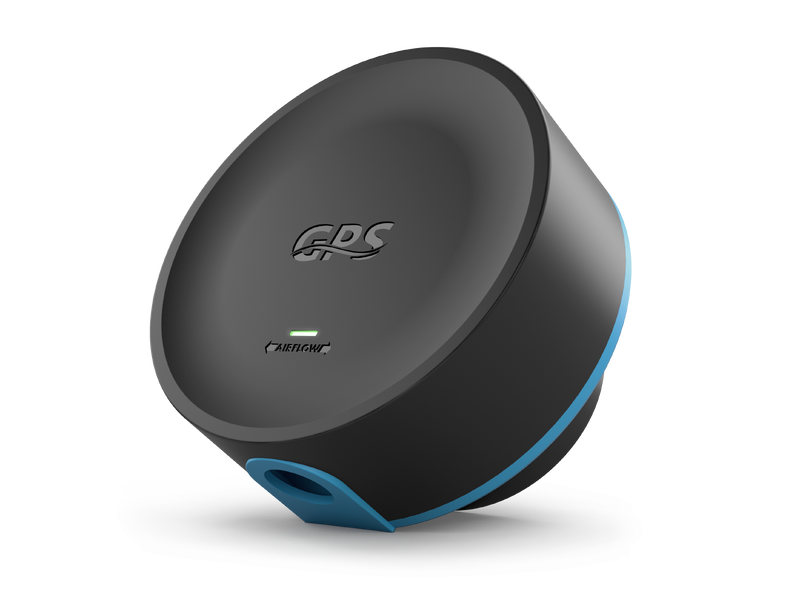
Some of the most harmful contaminants in buildings never settle. Fine particles stay airborne. Certain viruses and bacteria move with the air. GPS NPBI® Needlepoint Bipolar Ionization is designed to reduce these contaminants where they matter most, directly in the breathing zone.
GPS NPBI introduces positive and negative ions into the occupied space, charging airborne particles and microbes so they cluster, break down, or are easier to remove from the air. The result is fewer fine particles, reduced airborne pathogens, and improved odor control without adding pressure drop, noise, or energy demand to the HVAC system.
Unlike systems that require regular cleaning or replacement parts, GPS NPBI is self-cleaning and maintenance-free by design. It operates quietly in the background as spaces are occupied and used, and is tested to UL 2998 requirements for zero ozone emissions, providing confidence that air quality improvements are delivered safely and consistently over time.

HVAC systems are designed around clean coils and predictable outdoor air. In real buildings, coils are continuously exposed to contaminants that reduce heat transfer, restrict airflow, and degrade performance long before a unit appears dirty. As efficiency drops, conditioning loads rise, capacity is lost, and energy use increases.
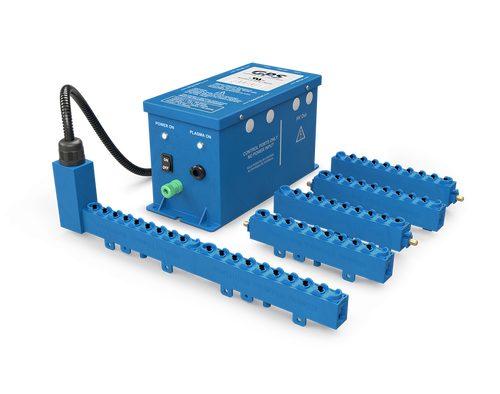
GPS iMod protects HVAC performance by mitigating contaminant buildup at the air handler before it can foul the coil. Installed upstream, iMod helps maintain heat transfer and airflow without chemicals, wash cycles, or added maintenance. The result is more consistent system performance, lower operating costs, and longer intervals between coil cleanings.
This protection also helps address challenging outdoor air conditions that introduce odors and exhaust into HVAC systems. By mitigating contaminants at the air handler, iMod helps prevent odors such as helicopter exhaust and diesel fumes from entering occupied spaces, preserving indoor air quality while maintaining coil performance and system efficiency.